Automotive glass plays a crucial role in ensuring the safety, aesthetic appeal, and functionality of vehicles. It provides structural integrity, protects passengers from external elements, and contributes to the overall driving experience. In this comprehensive article, we will delve deep into the various types of automotive glass used today, their applications, and the car window replacement Hickory NC importance of professional services such as Hickory windshield repair, Hickory windshield replacement, Hickory mobile auto glass repair, Hickory auto glass replacement cost, and Hickory car window replacement.
Understanding Automotive Glass: A Brief Overview
Automotive glass is specifically designed to meet stringent safety standards while providing clarity and durability. It comes in various forms, each tailored for different parts of a vehicle. Understanding these types can not only enhance your knowledge but also help you make informed decisions regarding maintenance and repairs.
The Importance of Automotive Glass
Automotive glass serves several critical functions:
- Safety: It protects occupants during accidents.
- Visibility: Clear windows are essential for safe driving.
- Structural Integrity: Windshields contribute to the vehicle’s rigidity.
Types of Automotive Glass Used Today
1. Laminated Glass
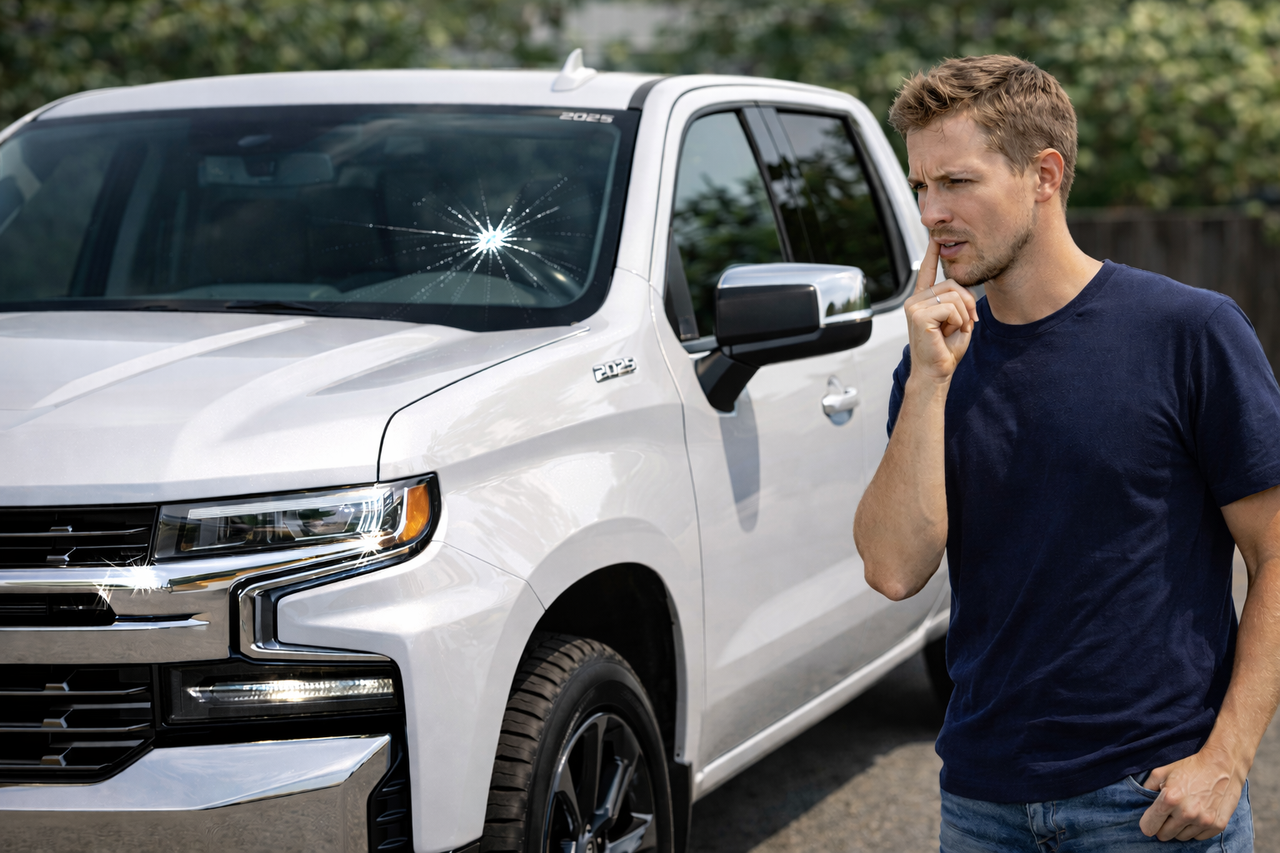
Laminated glass consists of two layers of glass with a plastic interlayer sandwiched between them. This design makes it shatter-resistant, which is vital for windshields.
Benefits of Laminated Glass
- Enhanced safety due to reduced shattering.
- UV protection for passengers.
- Noise reduction capabilities.
2. Tempered Glass
Tempered glass is manufactured through a process that involves extreme heating and rapid cooling. This makes it four to five times stronger than regular glass.
Applications of Tempered Glass
- Side windows
- Rear windows
Advantages
- If broken, it shatters into small pieces rather than sharp shards.
- Excellent thermal resistance.
3. Float Glass
Float glass is produced by floating molten glass on top of molten tin. While not commonly used in automotive applications anymore, it’s important to understand its production method.
Characteristics
- Smooth surface finish.
- Typically used for decorative purposes rather than structural ones in vehicles.
4. Acoustic Glass
Acoustic glass significantly reduces noise inside the vehicle cabin by incorporating sound-dampening materials during manufacturing.
Key Features
- Enhanced comfort during travels.
- Ideal for luxury vehicles seeking a quiet ride.
Choosing the Right Type for Your Vehicle
When considering which type of automotive glass is best for your car, factors such as safety standards, cost considerations (like Hickory auto glass replacement cost), and specific needs play a pivotal role.
Factors Influencing Your Choice
The Role of Professional Services in Auto Glass Replacement
Why Opt for Professional Services?
While DIY repairs might seem tempting due to cost savings, professional services ensure high-quality results:
Common Services Available
- Hickory windshield repair
- Hickory windshield replacement
- Hickory mobile auto glass repair
Comparing Costs: Hickory Auto Glass Replacement Cost Breakdown
| Service Type | Average Cost Range | |———————————-|———————–| | Windshield Repair | $50 – $150 | | Windshield Replacement | $200 – $400 | | Side Window Replacement | $300 – $500 |
Understanding these costs can help you plan your budget effectively when dealing with any necessary repairs or replacements.
Exploring Different Types of Automotive Glass Used Today: Special Applications
1. Tinted Windows
Tinted windows not only look stylish but also provide privacy and UV protection:
Benefits:
- Reduces glare.
- Protects interior upholstery from fading.
2. Solar Control Glass
Solar control glass reflects solar energy and helps maintain comfortable temperatures inside the vehicle:
Key Advantages:
- Energy efficiency.
- Enhanced passenger comfort.
Safety Standards for Automotive Glass
Understanding the regulations surrounding automotive glass ensures that your vehicle remains compliant with safety mandates:
These standards dictate how automotive glasses should be tested concerning shatter resistance and visibility.
How Weather Affects Automotive Glass Durability?
Weather conditions play a significant role in the lifespan and effectiveness of automotive glass:
Impacts Include:
FAQs About Automotive Glass
1. What’s the difference between laminated and tempered glass?
Laminated glass includes an interlayer making it shatter-resistant; tempered is heated for strength but can break into small pieces upon impact.
2. How often should I replace my windshield?
Monitor any chips or cracks; if they obstruct your view or exceed repairable sizes, consider replacement immediately.
3. Can I drive with a cracked windshield?
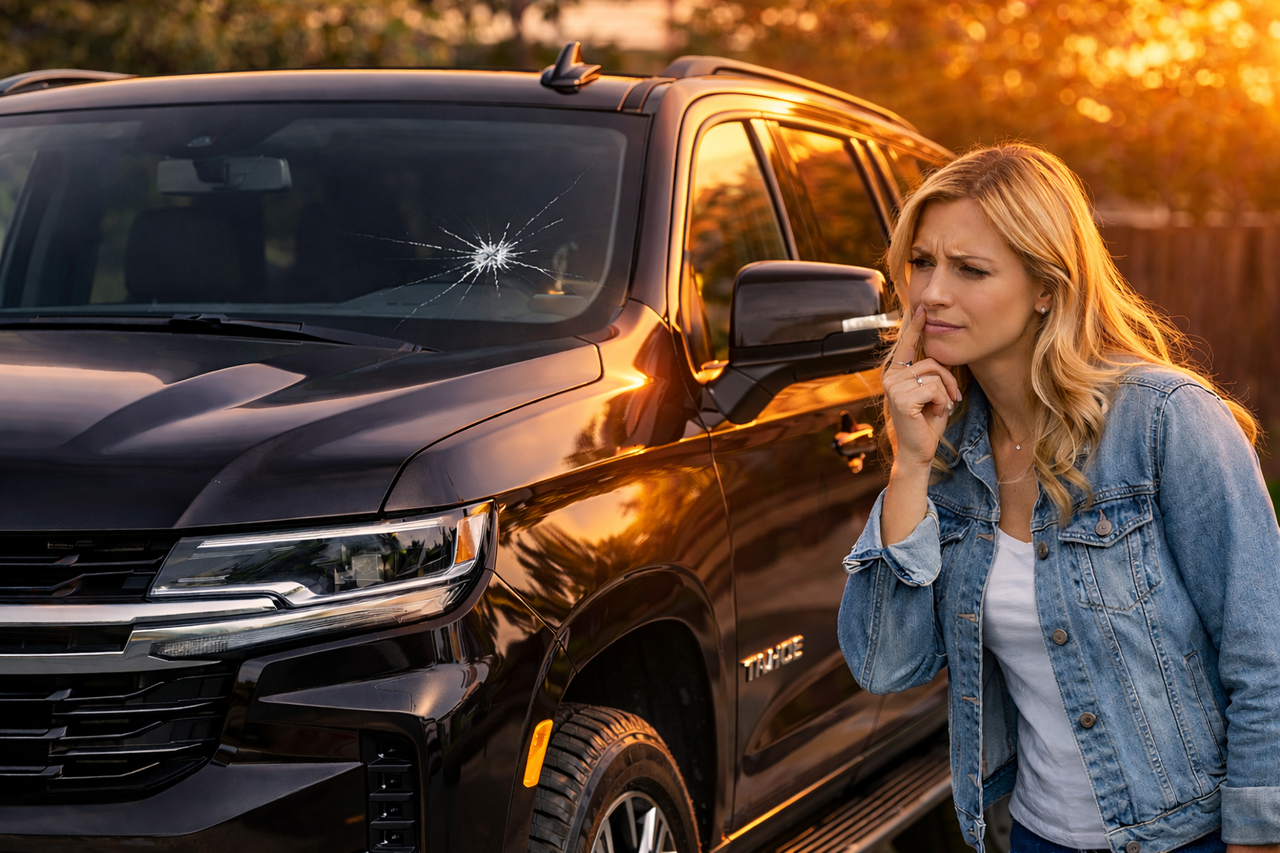
It’s risky; while minor cracks may be tolerable temporarily, larger ones pose serious safety hazards.
4. How long does windshield replacement take?
Typically about one to two hours depending on conditions; follow-up curing may take longer before driving again safely.
5. Is mobile auto glass repair worth it?
Definitely! Convenience saves time and hassle—especially if you’re busy or unable to visit a shop easily!
6. What affects Hickory auto glass replacement cost?
Factors include vehicle model/type, extent of damage, location charges, and whether you choose OEM vs aftermarket parts!

Conclusion
In conclusion, understanding the various types of automotive glass used today is paramount for both safety and aesthetics in vehicles today—from laminated to tempered options available—making informed choices about replacements or repairs like those offered at Hickory locations ensures peace of mind while driving! For anyone needing quick fixes or comprehensive replacements—services like Hickory windshield repair or mobile auto services are invaluable resources worth considering! Remember that investing in quality automotive glass isn’t merely about function; it’s about safeguarding lives on every journey taken!
Leave a Reply